Tiny Land Pikler Triangle Set Review: 7-in-1 Worth It?

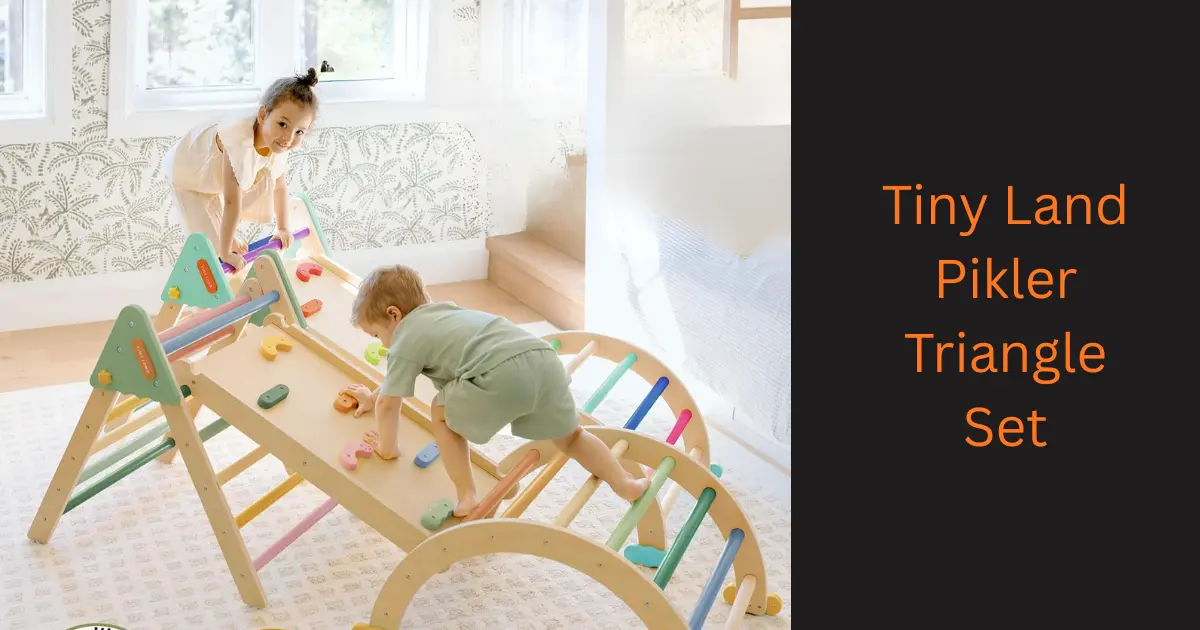
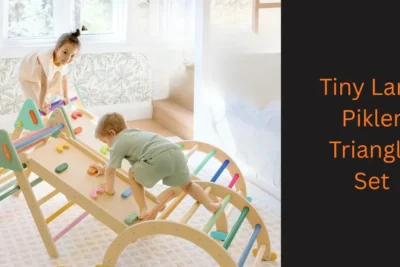
The Tiny Land Pikler Triangle Set promises to solve the biggest challenge facing parents of active toddlers: finding a climbing toy that’s safe, versatile, and doesn’t dominate your living space. With its 7-in-1 design and foldable construction, this Montessori-inspired play set aims to grow with your child from 12 months through the preschool years.
This site may earn a commission when you purchase through our affiliate links, which helps us provide honest reviews and maintain this resource for parents.
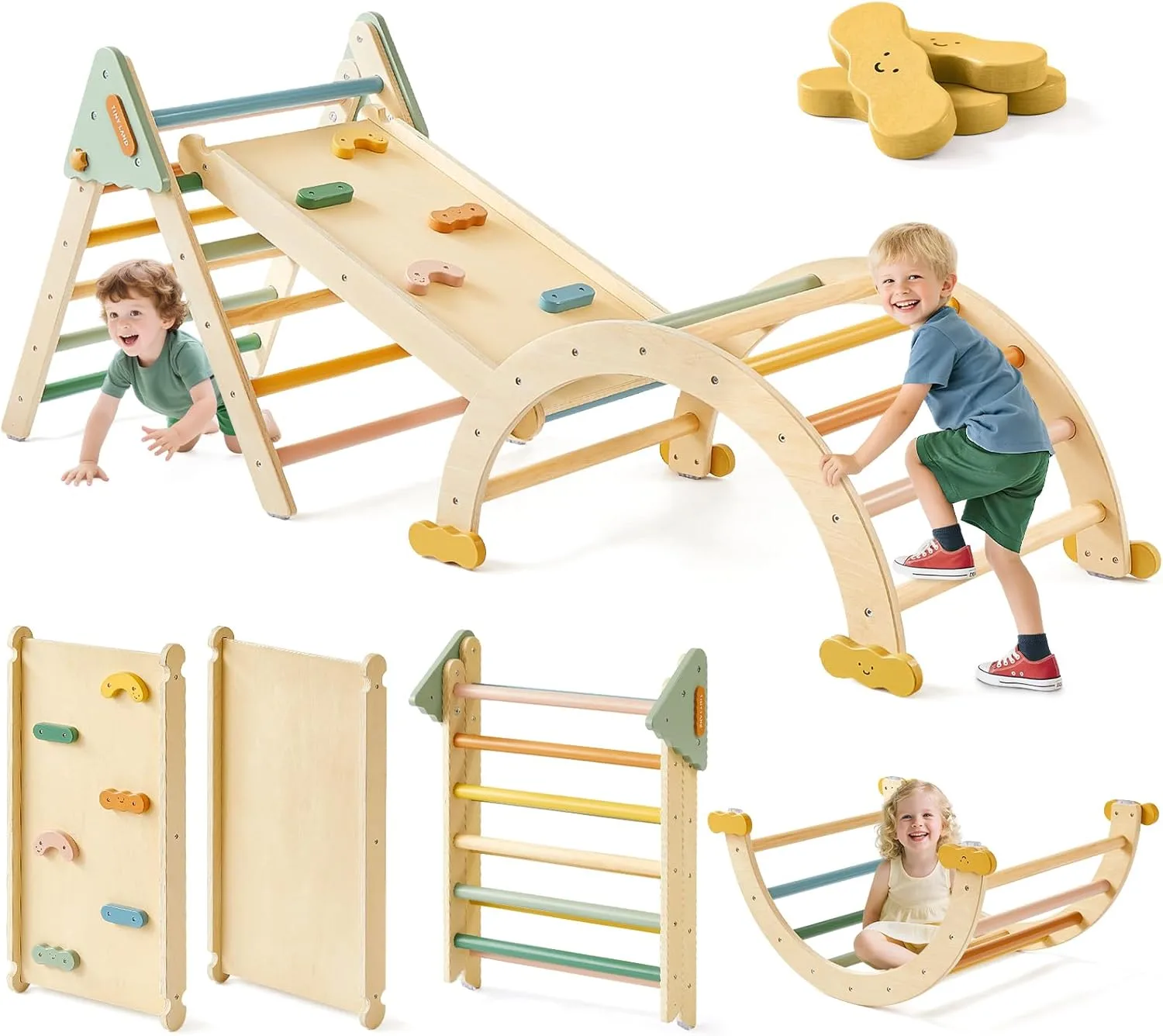
Tiny Land Pikler Triangle Set, 7-in-1 Foldable Montessori Toddler Climbing Toys
Pros
- ✓Seven distinct play modes in one compact set
- ✓Foldable design saves space when not in use
- ✓Anti-slip silicone pads and reinforced construction
- ✓Grows with child from 12 months to 5+ years
- ✓Available in stylish Morandi or Rainbow colors
- ✓Wobble-free engineering builds confidence
Cons
- ✕Higher price point than basic triangles
- ✕Requires adequate space for safe play
- ✕Daily setup may feel tedious for some families
- ✕Assembly required upon initial setup
Verdict
Best choice for families wanting maximum versatility and space-saving design in a premium climbing set.
What Makes This 7-in-1 Set Different
Unlike traditional fixed Pikler triangles that serve primarily as climbing structures, the Tiny Land set transforms into seven distinct play modes. The slide configuration uses the reversible ramp positioned at an angle, while the climb mode utilizes the triangle’s rungs for ascending practice. Rock mode engages the anti-tip rocker base, letting toddlers experience gentle motion safely.
The crawl-through setup positions components to create tunnels and passages, perfect for imaginative play. Balance challenges emerge when using individual pieces as stepping stones or narrow walkways. Hide mode transforms the structure into a cozy fort or reading nook, while explore mode encourages free-form creative arrangements.
The foldable design sets this apart from traditional fixed triangles that permanently occupy floor space. When collapsed, the entire set stores in a fraction of the footprint, making it practical for apartments or shared play spaces. The reversible ramp offers both a smooth slide surface and a textured climbing side, doubling its functionality.
Color options include the trendy Morandi palette (soft, muted tones) and a vibrant Rainbow finish. Both use child-safe finishes that complement modern home decor while maintaining the natural wood aesthetic that Montessori philosophy emphasizes.
Safety Features That Matter for Active Toddlers
The anti-slip silicone pads on the triangle’s base prevent sliding on smooth floors, a crucial feature when toddlers are learning to climb confidently. These pads grip hardwood, tile, and laminate surfaces without leaving marks or requiring permanent installation.
Reinforced corner blocks eliminate the wobbling that plagues cheaper climbing toys. The engineering focuses on joint stability, ensuring the structure remains solid even when a 40-pound preschooler bounces energetically. This wobble-free construction builds children’s confidence, as they can trust the equipment to support their movements.
The manufacturer states a weight capacity suitable for children up to 5+ years, though specific weight limits should be verified on the current product listing. Age recommendations typically start at 12 months for supervised crawling and progress to independent climbing by 18-24 months.
Safety Certification Check
Real-World Use: How Families Actually Use This Set
Most families develop a routine around setup and storage. Morning assembly becomes part of the play preparation ritual, taking 2-3 minutes once children help with the process. Evening breakdown signals the end of active play time, creating natural transitions in the daily schedule.
Space requirements vary by configuration. The full triangle setup needs approximately 6×4 feet of clear area, while individual components can work in smaller spaces. Families with limited square footage often rotate between configurations rather than using all pieces simultaneously.
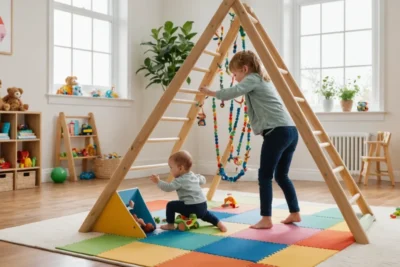
Developmental progression follows predictable patterns. Twelve-month-olds typically start with crawl-through activities and gentle rocking. By 18 months, most toddlers attempt climbing the lower rungs. Two-year-olds master the slide and begin balance challenges. Preschoolers use all seven modes and create complex obstacle courses.
Integration with other Montessori materials happens naturally. Families often combine the climbing set with floor cushions, balance boards, or sensory bins to create comprehensive movement circuits that align with Pikler approach principles.
Assembly, Storage, and Maintenance Reality Check
Initial assembly requires basic tools and typically takes 30-45 minutes. The instruction manual uses visual diagrams, though some parents report that certain steps could be clearer. Having a second adult helps with alignment during the first build.
Daily folding and unfolding becomes routine with practice. The hinged design allows the triangle to collapse flat, while the ramp and rocker detach completely. Most families can complete setup in under 3 minutes once familiar with the process.
Storage footprint when collapsed measures approximately 30 inches wide by 6 inches deep, fitting behind doors, under beds, or in closets. The components stack neatly, though the triangle remains the largest piece even when folded.
Wood care involves occasional dusting and spot cleaning with damp cloths. The finish resists typical toddler wear, though high-traffic areas like ramp surfaces may show use over time. Avoiding harsh chemicals preserves the child-safe coating and natural wood appearance.
Value Comparison: Tiny Land vs Alternatives
Price positioning places this set in the premium category, typically costing 2-3 times more than basic wooden triangles. However, the higher cost reflects multiple components, foldable engineering, and enhanced safety features that budget options lack.
Feature comparison with premium brands shows competitive advantages in the foldable design and seven-mode versatility. While some high-end manufacturers offer superior wood finishing or additional accessories, few match the space-saving convenience that modern families prioritize.
Cost per play mode analysis reveals reasonable value when considering the triangle, ramp, rocker, and various configuration options as separate purchases. Buying equivalent pieces individually from different manufacturers would likely exceed the complete set price.
Long-term value through multiple children makes the investment more attractive. The 4+ year age span means siblings can use the set sequentially, and the durable construction typically survives active play from several children when properly maintained.
Pros and Cons: The Complete Picture
Strengths and Limitations
Pros
- Seven play modes provide years of engagement as children develop new skills
- Foldable design solves the space problem that stops many families from buying climbing toys
- Anti-slip pads and reinforced construction create genuinely safe play experiences
- Quality materials and finish justify the premium price for families prioritizing durability
- Color options complement modern home decor while maintaining educational toy aesthetics
- Grows with children from toddlerhood through preschool years
Cons
- Higher upfront cost may strain budgets already stretched by childcare expenses
- Daily setup and breakdown adds time to busy family routines
- Requires dedicated play space even when configured in smallest arrangements
- Assembly complexity during initial setup can frustrate parents expecting simple construction
Parent feedback consistently praises the versatility and space-saving design, with many noting that children remain engaged longer than with single-purpose toys. The foldable feature receives particular appreciation from families in apartments or homes with limited play areas.
Common complaints focus on the daily setup routine, which some families find tedious during busy mornings or when children want immediate play access. The price point also generates mixed reactions, with some parents questioning whether the additional features justify the premium over basic triangles.
Realistic expectations center on understanding that this remains a substantial piece of play equipment requiring space and supervision. Marketing claims about “clutter-free” solutions are accurate only when compared to multiple separate toys, not when measured against homes without climbing equipment entirely.
Buying Decision: Is This Right for Your Family?
Ideal family situations include homes with dedicated playrooms or flexible living spaces where daily setup feels manageable. Families with multiple young children benefit most, as the age range and versatility provide years of active use. Parents prioritizing gross motor development and independent play find the investment worthwhile.
Age range considerations start with children who can crawl confidently, typically around 12 months. Developmental readiness matters more than chronological age, as some children show climbing interest earlier while others need additional time to develop the necessary coordination and confidence.
Budget considerations should factor in the 4+ year usage span and potential for multiple children. Families viewing this as a long-term investment in active play often find the cost reasonable when calculated per year of use. Those seeking immediate gratification or unsure about their child’s climbing interest might prefer starting with simpler options.
The Tiny Land Pikler Triangle Set succeeds as a premium climbing solution for families who value versatility, safety, and space efficiency. While the price reflects its comprehensive design, the seven play modes and foldable construction address real challenges that basic triangles cannot solve. For families committed to supporting active play and willing to invest in quality equipment, this set delivers on its promises.
Check current pricing and availability on Amazon to see if this comprehensive climbing set fits your family’s needs and budget.
Frequently Asked Questions
What age is the Tiny Land Pikler Triangle Set suitable for?
The Tiny Land Pikler Triangle Set is designed for children from 12 months to 5+ years. Twelve-month-olds can start with supervised crawling and gentle rocking activities, while 18-month-olds typically begin climbing the lower rungs. Two-year-olds master sliding and balance challenges, and preschoolers can use all seven modes to create complex obstacle courses.
How does the 7-in-1 design work?
The set transforms into seven distinct play modes:
- Slide mode: Reversible ramp positioned at an angle
- Climb mode: Using the triangle’s rungs for ascending practice
- Rock mode: Anti-tip rocker base for gentle motion
- Crawl-through: Components create tunnels and passages
- Balance challenges: Individual pieces as stepping stones
- Hide mode: Structure becomes a cozy fort or reading nook
- Explore mode: Free-form creative arrangements
How much space does the Tiny Land Pikler Triangle require?
The full triangle setup needs approximately 6×4 feet of clear area. However, individual components can work in smaller spaces, and families with limited square footage often rotate between configurations rather than using all pieces simultaneously. The foldable design allows for compact storage when not in use.
Is the Tiny Land Pikler Triangle safe for toddlers?
Yes, the set includes several important safety features: anti-slip silicone pads on the triangle’s base prevent sliding on smooth floors, reinforced corner blocks eliminate wobbling, and the engineering focuses on joint stability to support active play. The structure remains solid even when a 40-pound preschooler bounces energetically.
How long does it take to set up and take down?
Assembly takes 2-3 minutes once children help with the process. Most families develop a routine where morning assembly becomes part of play preparation, and evening breakdown signals the end of active play time, creating natural transitions in the daily schedule.
What color options are available?
The Tiny Land Pikler Triangle Set comes in two color options: the trendy Morandi palette (soft, muted tones) and a vibrant Rainbow finish. Both use child-safe finishes that complement modern home decor while maintaining the natural wood aesthetic emphasized in Montessori philosophy.
How does this compare to IKEA Pikler triangles?
Unlike IKEA or other fixed Pikler triangles that serve primarily as climbing structures, the Tiny Land set offers 7-in-1 versatility and foldable storage. Traditional fixed triangles permanently occupy floor space, while this set can be collapsed and stored in a fraction of the footprint, making it more practical for apartments or shared play spaces.
What makes the reversible ramp special?
The reversible ramp offers dual functionality – one side provides a smooth slide surface while the other features a textured climbing side. This doubles the ramp’s functionality and provides different challenge levels as children develop their motor skills.
Will the anti-slip pads damage my floors?
No, the anti-slip silicone pads are designed to grip hardwood, tile, and laminate surfaces without leaving marks or requiring permanent installation. They provide stability without damaging your flooring.
How does this support Montessori learning principles?
The set aligns with Montessori philosophy by promoting independent exploration, gross motor development, and self-directed play. The natural wood aesthetic and open-ended design encourage children to discover their own ways of using the equipment, fostering creativity and confidence in their physical abilities.
Can this climbing set grow with my child?
Yes, the set is designed to grow with children from 12 months through preschool years. The developmental progression follows predictable patterns: crawling and rocking for toddlers, climbing and sliding for two-year-olds, and complex obstacle course creation for preschoolers. The multiple configurations ensure continued engagement as skills develop.
What other Montessori materials work well with this set?
The climbing set integrates naturally with other Montessori materials. Families often combine it with floor cushions, balance beams, sensory mats, and other gross motor equipment to create comprehensive movement environments that support whole-child development.