Pikler Triangle Height Guide: Age-Appropriate Sizes & Safety

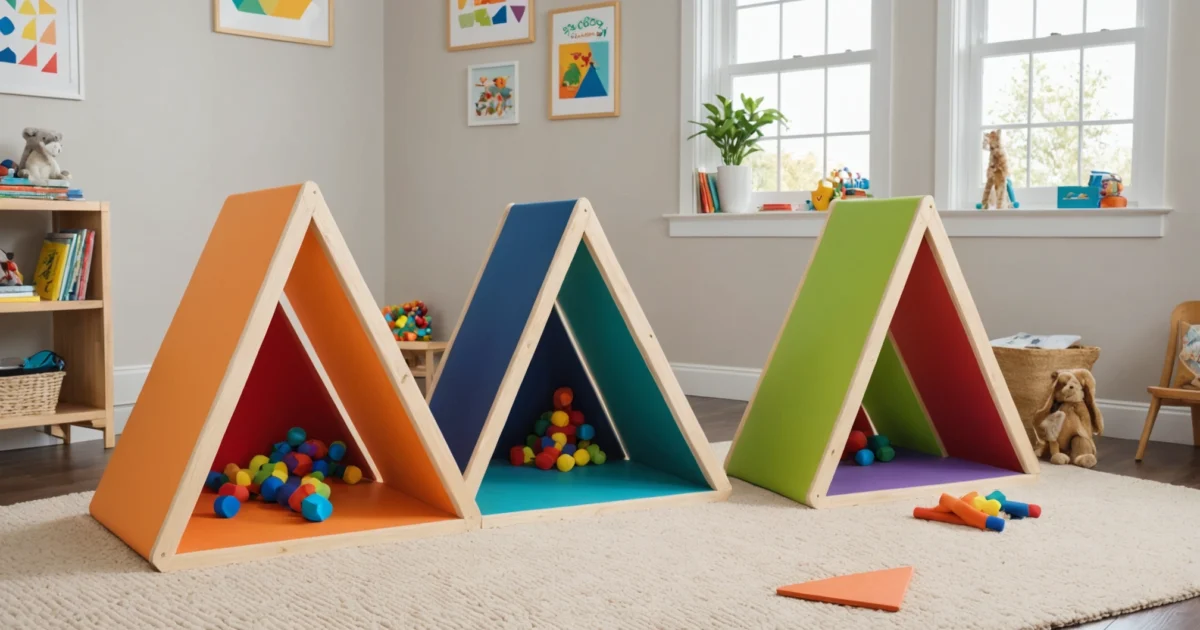
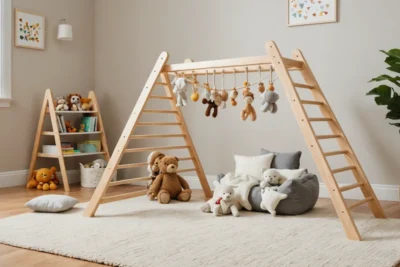
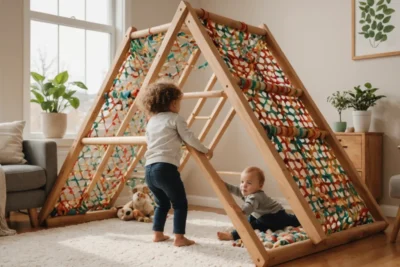
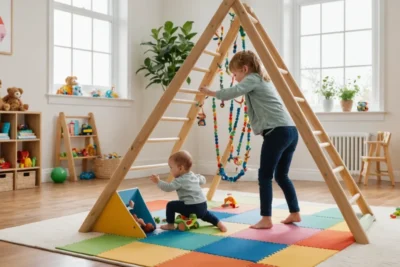
How tall should a Pikler triangle be? Most Pikler triangles range from 24 to 36 inches in height, with the ideal size depending on your child’s age, climbing ability, and developmental stage. Generally, 24-inch triangles work best for babies 6-18 months, while 30-inch models suit toddlers 18 months to 3 years, and 36-inch triangles challenge preschoolers aged 3-6 years.
Choosing the correct height ensures both safety and developmental benefits. A triangle that’s too tall increases fall risk and may intimidate young climbers. Conversely, one that’s too short won’t provide adequate physical challenge as children grow.
Beyond age considerations, factors like ceiling height, available floor space, and your child’s individual confidence level influence the best choice. Additionally, safety features and proper setup become increasingly important with taller triangles.
TL;DR
- Standard heights: 24″ (babies), 30″ (toddlers), 36″ (preschoolers)
- Safety first: Choose height based on child’s ability, not just age
- Room requirements: Ensure 2+ feet ceiling clearance and adequate floor space
- Growth consideration: Adjustable triangles adapt as children develop climbing skills
Standard Pikler Triangle Height Recommendations
The toy industry has established 24 to 36 inches as the standard height range for Pikler triangles after decades of child development research and safety testing. This standardization ensures consistent manufacturing quality while providing clear guidelines for parents selecting appropriate climbing equipment.
Most commercial manufacturers produce three primary sizes: 24-inch, 30-inch, and 36-inch models. These specific measurements align with average child proportions and developmental milestones. Furthermore, these heights create manageable fall distances that reduce injury risk while maintaining climbing challenges.
| Height | Target Age | Fall Distance | Skill Level |
|---|---|---|---|
| 24 inches | 6-18 months | Low risk | Beginning climbers |
| 30 inches | 18 months-3 years | Moderate risk | Developing skills |
| 36 inches | 3-6 years | Higher risk | Advanced climbers |
Safety considerations directly correlate with triangle height because taller structures increase potential fall distances. Each additional 6 inches of height requires enhanced safety measures, including thicker floor padding and increased supervision. Additionally, taller triangles demand stronger construction materials to support dynamic climbing loads.
These standardized measurements emerged from Emmi Pikler’s original research combined with modern safety standards. Dr. Pikler observed that children naturally progress through predictable climbing stages, requiring equipment that matches their physical capabilities. Consequently, manufacturers adopted these heights to balance developmental appropriateness with commercial viability.
The 30-inch height represents the most popular choice among families because it serves the longest age range effectively. This middle-ground option accommodates both cautious beginners and confident climbers. Moreover, 30-inch triangles fit comfortably in most homes while providing substantial climbing challenges.
Height Selection Tip
Industry standards also consider practical factors like shipping costs, storage requirements, and manufacturing efficiency. These three height options optimize production while meeting diverse family needs. Additionally, standardization enables consistent safety testing and quality control across different manufacturers.
Age-Appropriate Height Guidelines
Parents must match Pikler triangle height to their child’s developmental stage for optimal safety and learning outcomes. Each age group demonstrates specific physical capabilities that determine appropriate climbing heights. Furthermore, selecting the wrong height can either limit development or create unnecessary safety risks.
6-18 Months: Foundation Building Phase
24-inch triangles provide ideal exploration opportunities for babies transitioning from crawling to walking. These shorter structures allow infants to safely practice pulling themselves up without excessive fall risk. Additionally, the lower height enables parents to maintain close supervision while encouraging independent movement.
Babies at this stage focus on developing gross motor skills through repetitive climbing motions. The 24-inch maximum height ensures that falls remain within safe parameters for developing bodies. Moreover, this height allows toddlers to successfully navigate the structure without frustration or fear.
18 Months-3 Years: Skill Development Period
30-inch triangles offer the perfect balance between challenge and safety for active toddlers. Children in this age range possess sufficient strength and coordination to tackle moderate climbing heights. Consequently, this measurement supports natural progression from basic climbing to more complex movements.
Toddlers demonstrate increased confidence and spatial awareness during this developmental window. The 30-inch optimal height encourages problem-solving skills while maintaining manageable risk levels. Furthermore, this size accommodates the rapid physical growth typical of early childhood years.
3-6 Years: Advanced Climbing Stage
36-inch triangles challenge preschoolers who have mastered basic climbing techniques and seek greater adventures. Children this age possess enhanced balance, strength, and risk assessment abilities. Therefore, taller structures provide appropriate challenges without overwhelming developing skills.
Preschoolers benefit from increased climbing complexity that 36-inch heights deliver effectively. These advanced climbers can safely navigate higher structures while developing confidence and physical competence. Additionally, this height maintains engagement for children approaching the upper age limits of Pikler triangle use.
Developmental Readiness Indicators
Several key milestones determine when children are ready to progress to taller triangle heights. Walking independently for at least three months indicates sufficient balance for 30-inch structures. Similarly, climbing stairs with alternating feet suggests readiness for 36-inch challenges.
- Physical strength: Ability to support body weight during climbing movements
- Spatial awareness: Understanding of height and distance relationships
- Risk assessment: Recognition of personal climbing limits
- Coordination: Smooth, controlled movements during ascent and descent
Parents should observe their child’s climbing behavior on current equipment before considering height increases. Children who consistently climb with confidence and control demonstrate readiness for greater challenges. However, those showing hesitation or difficulty should continue practicing on their current height until skills improve.
Height Transition Tip
Safety Considerations for Triangle Height
Height selection directly impacts safety requirements and injury prevention strategies for Pikler triangles. Consequently, parents must evaluate multiple safety factors before determining appropriate triangle dimensions. Moreover, proper safety measures reduce accident risks while maintaining the developmental benefits of climbing activities.
Fall Height Safety Standards
The Consumer Product Safety Commission establishes clear guidelines for playground equipment fall heights that apply to home climbing structures. Specifically, equipment under 4 feet in height requires minimal protective surfacing for residential use. Therefore, all standard Pikler triangles fall within acceptable safety parameters when properly positioned.
Fall injuries typically occur when children lose grip or balance during climbing activities. However, the triangular design naturally limits fall distances since children climb at angles rather than straight vertical surfaces. Additionally, most falls happen from lower positions as children test their climbing abilities before ascending higher.
Critical Safety Note
Ceiling Clearance Requirements
Adequate overhead space prevents head injuries and allows natural climbing movements without restriction. Furthermore, children need clearance for standing positions at the triangle’s peak. The minimum ceiling clearance should measure at least 2 feet above the triangle’s highest point.
| Triangle Height | Required Ceiling Height | Recommended Room Height |
|---|---|---|
| 24 inches | 4 feet minimum | 8 feet optimal |
| 30 inches | 4.5 feet minimum | 8.5 feet optimal |
| 36 inches | 5 feet minimum | 9 feet optimal |
Standard residential ceilings typically measure 8 to 9 feet in height, providing sufficient clearance for most triangle sizes. However, basement installations or rooms with lower ceilings may require shorter triangle models. Additionally, consider ceiling fans, light fixtures, or other overhead obstacles when calculating available space.
Surface Padding Recommendations
Protective surfacing requirements increase proportionally with triangle height to ensure adequate impact absorption. Specifically, foam mats or rubber tiles provide optimal cushioning for indoor climbing activities. Moreover, padding should extend beyond the triangle’s footprint to cover potential fall zones.
- 24-inch triangles: 1-inch thick foam mats or carpet padding
- 30-inch triangles: 1.5-inch thick gym mats or interlocking foam tiles
- 36-inch triangles: 2-inch thick impact-absorbing mats
The padding area should extend 6 feet in all directions from the triangle’s base to accommodate various fall patterns. Additionally, ensure mat edges don’t create tripping hazards by selecting interlocking designs or securing loose mats properly. Never rely on blankets or thin rugs as adequate protective surfacing.
Adult Supervision Guidelines
Supervision requirements vary based on triangle height, child age, and climbing experience levels. Therefore, parents must adjust their oversight strategies accordingly. Active supervision means staying within arm’s reach and maintaining visual contact throughout climbing sessions.
Children using 24-inch triangles typically require close supervision during initial learning phases but can play independently once skills develop. Meanwhile, 30-inch and 36-inch triangles necessitate consistent adult presence due to increased fall risks. Furthermore, multiple children climbing simultaneously always requires direct supervision regardless of triangle height.
Pros
- Graduated supervision allows skill development
- Independent play builds confidence
- Reduced anxiety for both child and parent
Cons
- Increased injury risk without proper oversight
- Difficulty assessing readiness for independence
- Potential for unsafe climbing behaviors
Establish clear climbing rules before allowing independent play sessions. Additionally, teach children to recognize their limits and climb safely through consistent guidance and positive reinforcement. Regular safety discussions help children internalize safe climbing practices and develop better risk assessment skills.
Adjustable vs. Fixed Height Options
Adjustable height triangles offer maximum versatility for growing children, while fixed height designs provide enhanced stability and cost savings. However, each option presents distinct advantages depending on your family’s specific needs and circumstances.
Benefits of Adjustable Height Triangles for Growing Children
Adjustable triangles grow with your child through multiple developmental stages. These versatile climbing structures typically adjust from 18 inches to 36 inches, accommodating children from 6 months to 6 years old. Moreover, parents can gradually increase height as children develop stronger climbing skills and confidence.
The economic benefits prove substantial over time since families avoid purchasing multiple triangles. Additionally, adjustable models allow precise customization based on ceiling height, available space, and individual child capabilities. Furthermore, siblings of different ages can share the same equipment by adjusting height appropriately.
Pros
- Grows with child development
- Cost-effective long-term investment
- Customizable for different skill levels
- Space-efficient for varying room sizes
Cons
- Higher initial purchase price
- More complex assembly mechanisms
- Potential adjustment points for wear
Fixed Height Advantages: Stability and Cost-Effectiveness
Fixed height triangles deliver superior structural stability through simplified construction without adjustment mechanisms. These solid designs eliminate moving parts that could loosen over time, creating rock-solid climbing experiences. Additionally, manufacturers can optimize strength-to-weight ratios more effectively with fixed designs.
Cost advantages make fixed triangles attractive for budget-conscious families. Simpler manufacturing processes reduce production costs, while fewer components mean lower maintenance requirements. Furthermore, fixed designs often feature more robust joinery methods that enhance long-term durability.
Parents appreciate the set-and-forget convenience of fixed triangles since no ongoing adjustments are necessary. This simplicity particularly benefits busy households where equipment setup time matters significantly.
How to Modify Triangle Height Safely
Height modifications require careful attention to manufacturer specifications and safety protocols. Always consult the instruction manual before attempting any adjustments, as improper modifications can compromise structural integrity.
- Remove all children from the climbing area before beginning adjustments
- Loosen adjustment mechanisms gradually using appropriate tools
- Verify all connection points align properly at the new height setting
- Tighten all fasteners to manufacturer-specified torque values
- Test stability thoroughly before allowing children to resume climbing
Document height changes and inspection dates to maintain safety records. Additionally, check all adjustment points monthly for signs of wear or loosening. Never exceed the triangle’s maximum height specifications, as this creates dangerous instability.
Safety Warning
When to Upgrade to a Taller Triangle
Children demonstrate readiness for taller triangles through consistent climbing mastery and confidence at their current height. Key indicators include reaching the top easily, showing boredom with existing challenges, and requesting more difficult climbing experiences.
Physical development milestones also signal upgrade timing. When children’s heads approach 75% of the triangle’s height while standing, consider transitioning to a taller model. Similarly, children who can climb to the top in under 30 seconds typically need increased challenges.
Space considerations influence upgrade decisions significantly. Ensure adequate ceiling clearance exists for taller triangles, maintaining at least 3 feet of overhead space. Moreover, verify that safety surfacing can accommodate the larger fall zones required for increased heights.
Behavioral cues provide valuable upgrade timing insights. Children who attempt to stack objects to increase climbing height or express frustration with current limitations clearly need more challenging equipment. However, never rush upgrades if safety skills haven’t fully developed at the current height level.
Space and Room Requirements
Proper space planning ensures safe and effective Pikler triangle use while maximizing climbing benefits. Room dimensions directly impact which triangle height works best for your specific environment. Furthermore, inadequate spacing creates safety hazards that can lead to serious injuries during active play.
Minimum Room Height Requirements
Small triangles measuring 24-30 inches require minimum ceiling heights of 8 feet for safe operation. Medium triangles ranging from 32-36 inches need at least 9 feet of vertical clearance above the equipment. Large triangles exceeding 38 inches demand 10+ feet of ceiling height to accommodate full climbing extension.
| Triangle Height | Minimum Ceiling | Recommended Ceiling | Safety Buffer |
|---|---|---|---|
| 24-30 inches | 8 feet | 9 feet | 3-4 feet |
| 32-36 inches | 9 feet | 10 feet | 3-4 feet |
| 38+ inches | 10 feet | 11+ feet | 3-4 feet |
Children require overhead clearance for natural arm extension during climbing activities. Additionally, jumping or falling motions increase the effective height children can reach above the triangle’s peak. Never compromise on these minimum requirements as inadequate clearance causes head injuries and climbing anxiety.
Floor Space Requirements
Triangle placement requires 6 feet of clearance on all sides to accommodate safe falling zones and movement space. This perimeter allows children to approach from any angle while providing adequate landing areas for unexpected tumbles. Moreover, sufficient spacing prevents collisions with furniture, walls, or other household obstacles during active play.
Safety surfacing extends these space requirements significantly. Foam mats or rubber flooring should cover the entire 6-foot perimeter around the triangle’s base. Consequently, a 30-inch triangle needs approximately 18 square feet of dedicated floor space including safety zones.
A 36-inch triangle requires 24 square feet of total floor space including safety perimeters
Indoor vs. Outdoor Height Considerations
Indoor installations face stricter height limitations due to standard 8-9 foot ceilings in most homes. Therefore, indoor triangles typically max out at 32-36 inches to maintain proper safety clearances. Basement installations often accommodate taller triangles due to higher ceiling configurations.
Outdoor setups allow for maximum triangle heights without ceiling restrictions. However, outdoor safety considerations include ground stability, weather protection, and supervision challenges. Additionally, outdoor installations require level surfaces and proper anchoring to prevent tipping during use.
Weather exposure affects outdoor triangle stability and safety. Wind loads increase with triangle height, making taller structures more susceptible to movement or displacement. Consequently, outdoor triangles over 36 inches often require ground anchoring systems for secure operation.
Storage Space Planning
Foldable triangles reduce storage requirements significantly when not in use. Standard folding models collapse to approximately 6-8 inches thick while maintaining their original length and width dimensions. However, storage areas must accommodate the triangle’s full extended length even when folded.
- Small triangles: 24-30 inch storage length required
- Medium triangles: 32-36 inch storage length needed
- Large triangles: 38+ inch storage space necessary
- Vertical storage: Wall-mounted systems save floor space
Fixed triangles require permanent floor space allocation throughout their lifespan. Therefore, families with limited space benefit more from adjustable or foldable designs that adapt to changing room configurations. Closet storage works well for smaller triangles, while larger models may need garage or basement storage areas.
Space-Saving Tip
Choosing the Right Height for Your Child
Selecting the appropriate Pikler triangle height requires careful assessment of your child’s individual development and capabilities. Furthermore, this decision impacts both safety outcomes and developmental benefits throughout the triangle’s usage period.
Assessment Criteria for Height Selection
Your child’s current height serves as the primary measurement factor when determining triangle dimensions. Specifically, the triangle’s peak should reach approximately 1.5 to 2 times your child’s standing height for optimal challenge levels. Additionally, this ratio ensures adequate climbing progression without overwhelming younger climbers.
Climbing ability assessment involves observing your child’s current motor skills and confidence levels. Children who confidently navigate stairs and playground equipment typically handle taller triangles more effectively. Conversely, hesitant climbers benefit from shorter triangles that build confidence gradually.
- Beginner climbers: 24-30 inch triangles for initial skill development
- Intermediate climbers: 32-36 inch triangles for continued growth
- Advanced climbers: 38+ inch triangles for maximum challenge
Confidence levels directly influence successful triangle interactions and safety outcomes. Therefore, observe your child’s willingness to attempt new climbing challenges before selecting height specifications. Overly ambitious height choices can create fear responses that hinder development progress.
Signs Your Child Has Outgrown Current Height
Physical indicators reveal when children need taller triangles for continued development. Most notably, children who easily reach the triangle’s peak without stretching have likely outgrown their current equipment. Similarly, children who climb to the top and express boredom need increased height challenges.
Behavioral changes also signal the need for height adjustments during play sessions. Children who quickly lose interest or seek alternative climbing surfaces demonstrate readiness for greater challenges. Moreover, children who attempt dangerous modifications to increase difficulty require immediate height upgrades.
Children typically outgrow triangle heights every 12-18 months during peak development years
Skill progression markers include confident ascending and descending without assistance or hesitation. Additionally, children who demonstrate creative climbing variations and problem-solving approaches have mastered their current height level. Consequently, these children benefit from transitioning to taller triangle configurations.
Testing Appropriate Height Before Purchase
Measurement techniques help determine optimal triangle heights before making purchase decisions. First, measure your child’s reach while standing on tiptoes to establish maximum comfortable climbing height. Then, add 6-12 inches to this measurement for appropriate challenge levels.
Physical testing methods provide valuable insights into height suitability and safety considerations. Visit playgrounds or climbing gyms to observe your child’s interaction with various height structures. Subsequently, note their comfort levels and climbing strategies at different elevations.
Trial periods offer practical assessment opportunities when available through retailers or rental services. During these trials, monitor your child’s engagement levels and safety behaviors throughout multiple play sessions. Additionally, assess whether the height maintains interest over extended periods.
Balancing Challenge with Safety
Optimal height selection creates appropriate challenges without compromising safety standards or child confidence. Specifically, triangles should require effort to reach the peak while maintaining manageable fall distances. Therefore, maximum safe fall height equals your child’s standing height for most developmental stages.
Progressive challenge systems allow height adjustments as children develop new capabilities and confidence levels. Adjustable triangles provide this flexibility through removable rungs or telescoping designs. Consequently, families can modify difficulty levels without purchasing entirely new equipment.
Safety Reminder
Risk assessment involves evaluating potential fall consequences against developmental benefits for each height option. Higher triangles increase fall risks but provide greater strength-building and confidence-developing opportunities. Meanwhile, shorter triangles offer safer experiences with reduced physical challenges and skill development potential.
Supervision requirements increase with triangle height, particularly for children attempting new climbing challenges. Therefore, consider your available supervision capacity when selecting height specifications. Additionally, ensure adequate safety surfacing beneath taller triangles to minimize injury risks during falls.
Frequently Asked Questions
What height Pikler triangle should I buy for my 2-year-old?
For a 2-year-old, a 30-inch Pikler triangle is typically the best choice. This height suits toddlers aged 18 months to 3 years and provides an appropriate climbing challenge while maintaining safety. The 30-inch height offers the longest usable age range and accommodates both cautious beginners and confident climbers.
Is a 36-inch Pikler triangle too tall for toddlers?
Yes, a 36-inch Pikler triangle is generally too tall for most toddlers. This height is designed for preschoolers aged 3-6 years who have developed advanced climbing skills. For toddlers, the increased fall distance creates unnecessary safety risks and may intimidate young climbers.
What’s the minimum ceiling height needed for a Pikler triangle?
You need at least 2 feet of clearance above the triangle’s highest point. For a 36-inch triangle, this means a minimum 8-foot ceiling. This clearance prevents head injuries and allows children to climb safely to the top without hitting the ceiling.
Can my baby use a 24-inch Pikler triangle at 6 months?
Yes, babies can start using a 24-inch Pikler triangle around 6 months old when they begin pulling themselves up. At this age, they’ll primarily use it for supported standing and early climbing exploration. Always supervise closely and ensure proper floor padding is in place.
Should I buy an adjustable height Pikler triangle?
Adjustable Pikler triangles offer excellent value as they grow with your child. They typically adjust between 24-36 inches, allowing you to start low for babies and increase height as climbing skills develop. This eliminates the need to purchase multiple triangles over time.
What safety padding is needed under a Pikler triangle?
Use thick foam mats or specialized climbing mats under and around the triangle. For 24-inch triangles, 1-2 inch thick padding suffices. Taller triangles (30-36 inches) require 2-4 inch thick padding to cushion potential falls safely.
How much floor space does a Pikler triangle need?
Allow at least 6 feet by 6 feet of clear floor space around the triangle. This provides adequate room for safe climbing, falling, and movement. Larger triangles may require additional space, especially when used with ramps or other accessories.
When should I upgrade to a taller Pikler triangle?
Upgrade when your child easily climbs to the top and shows confidence on their current triangle. Signs include climbing quickly without hesitation, attempting to climb over the top, or showing boredom with the current height. This typically occurs every 12-18 months.
Are there weight limits for different height Pikler triangles?
Most quality Pikler triangles support 60-100 pounds regardless of height. However, taller triangles require stronger construction and may have higher weight limits. Always check manufacturer specifications, as weight limits vary by brand and construction materials.
Can siblings of different ages share one Pikler triangle?
Yes, but choose the height based on the youngest child’s abilities for safety. A 30-inch triangle often works well for mixed ages, providing challenge for older children while remaining safe for younger ones. Never allow simultaneous climbing by children of very different sizes.
What’s the difference between 30-inch and 36-inch triangles?
The main differences are target age range and challenge level. 30-inch triangles suit ages 18 months to 3 years, while 36-inch models challenge 3-6 year olds. The 6-inch height difference significantly increases climbing difficulty and fall risk, requiring enhanced safety measures.
How do I know if a Pikler triangle is too tall for my child?
Signs include hesitation to climb, fear of heights, or inability to reach the first rung. If your child seems intimidated, struggles to start climbing, or you’re concerned about fall distances, choose a shorter triangle. Confidence and enthusiasm are key indicators of appropriate height.
You May Also Like
Why Are Pikler Triangles So Expensive? Cost Breakdown 2026
Why Pikler Triangles Are Excellent for Child Development